How to Open a Forex Trading Account A Complete Guide

How to Open a Forex Trading Account: A Complete Guide
Opening a Forex trading account can be a pivotal step in embarking on your trading journey. Whether you are a seasoned investor or a newcomer intrigued by the dynamics of currency trading, understanding the steps involved in account setup is crucial. This article aims to provide a detailed overview of the process, highlighting important factors to consider and offering information about forex trading account opening Thai Trading Platforms for traders in Thailand and beyond.
Understanding Forex Trading
Forex, or foreign exchange, trading involves buying and selling currency pairs to profit from changes in exchange rates. It operates 24 hours a day and is conducted globally, making it one of the most accessible forms of trading. Before diving into opening an account, it is vital to comprehend how the Forex market operates, the main currency pairs, and the factors that drive currency value fluctuations.
Choosing the Right Forex Broker
The first step in opening a Forex trading account is selecting a reliable broker. Here are some factors to consider:
- Regulatory Compliance: Ensure the broker is regulated by a credible financial authority. This guarantees a level of safety and reliability.
- Trading Platforms: Look for user-friendly platforms that suit your trading style, whether you prefer desktop applications or mobile trading.
- Spreads and Fees: Compare the spreads, commissions, and any additional fees charged by different brokers to find the most cost-effective option.
- Customer Service: Choose a broker that offers robust customer support available in your preferred language and at convenient hours.
Requirements for Opening a Forex Account
Once you have selected a broker, the next step is to gather the required documents and information for opening your account. Typically, you’ll need:
- Identification Documents: A government-issued ID (like a passport or driver’s license) and possibly a secondary form of ID.
- Proof of Residence: Recent utility bills or bank statements that verify your address.
- Financial Information: Details regarding your financial situation, including income and net worth, as some brokers may require this information for compliance purposes.
- Trading Experience: Brokers might ask about your trading experience, investment goals, and risk tolerance.
The Account Opening Process
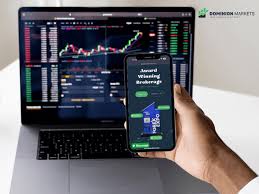
Here’s a step-by-step breakdown of the account opening process:
- Fill Out the Application: Visit your chosen broker’s website and complete the registration form. You’ll typically need to provide personal information, such as name, email address, and phone number.
- Submit Documentation: Upload the required identification and proof of residence documents through the broker’s secure platform.
- Account Verification: After submitting your documents, the broker will verify your identity. This process can take anywhere from a few hours to several days.
- Fund Your Account: Once approved, you can deposit funds into your trading account using various methods such as bank transfers, credit cards, or e-wallets.
- Start Trading: After funding your account, download the trading platform offered by the broker and begin trading!
Types of Forex Accounts
Most brokers offer multiple types of accounts, each catering to different trading needs and expertise levels:
- Standard Accounts: Suitable for experienced traders, requiring a higher minimum deposit and typically offering better spreads.
- Mini Accounts: Designed for beginners with lower minimum deposit requirements, allowing for smaller trade sizes.
- ECN Accounts: Provide direct access to the market with lower spreads; these accounts typically come with a commission fee.
- Islamic Accounts: Available for traders who follow Islamic finance principles, prohibiting interest.
Common Pitfalls to Avoid
As with any financial venture, there are common pitfalls to be avoided when opening a Forex trading account:
- Overleveraging: While leverage can magnify profits, it also increases risk. Be cautious with leverage ratios.
- Choosing the Wrong Broker: Avoid brokers with poor reviews and lack of proper regulation. Conduct thorough research before making a choice.
- Neglecting Education: Many new traders jump into trading without adequate education. Take time to learn about various trading strategies, risk management, and market analysis.
Conclusion
Opening a Forex trading account is relatively straightforward, but it requires careful consideration and due diligence. By following the steps outlined in this guide, choosing the right broker, and avoiding common pitfalls, you can set yourself up for a successful trading experience. Always remember that trading involves risks, and it’s essential to trade within your means while continuously educating yourself on market dynamics.
Happy trading!
